

Do you want a child but aren’t ready to give up a nomadic lifestyle? You don’t have to give up traveling, nor do you have to wait until you’re 80 to have a child when your desire to roam the world has faded.
When we became parents, some friends joked that our touristy days were over because “you can’t travel with a small child.” However, we had examples of children who had been trekking around the world since they were a few weeks old without any issues, so we didn’t give up on our travels either.
Our kiddo traveled abroad since 3 months old, on a plane at 1 (with stroller and all the jazz), transatlantic flights at 5 (when we immigrated). We’ve had 3-4 hours on a car of even 14-16 when driving to Crotia, over 20 in airports, planes and car, during out trips from NYC to Romania, our record was 36 hours from Timisoara, via Munich and home. And that AFTER her T1D diagnosis, which kinda makes everything scarier.
Now that I’ve clarified that traveling with a small child is perfectly possible, I’m trying to think of the factors that helped us raise a “mini-nomad.” Perhaps they will help you too.
Start Early
Her first trip was at less than 4 months old, to Serbia, where we used to buy her diaper cream. Bepanthen is good, but Dr. Pavlovic, bought from our friendly neighboring country, is even better (and cheaper).
The next trip was a serious one: straight to Cavtat, Croatia—a 13 to 14-hour drive. If you start early, the child gets used to it. It becomes normal for them, so there’s no fear or anxiety. If you take a child out of the house for their first big trip when they are older, it will definitely feel stranger because they aren’t used to it. Between the emotions and the stress, you can expect “break-dance” sessions and crying because you’ve taken them out of their comfort zone.
Don’t Expect to Travel Like You Used To
Back when I was “Miss Dojo,” I would go for hours-long walks. I’d leave Queens around 9:00 AM, eat on the street (hot dogs or gyros from Halal Foods; I salivate just remembering it), and then lug my camera around Manhattan until after 6:00 or 7:00 PM. We did the same in Spain, spending all day seeing interesting places, and the same in Croatia.
It is crystal clear that you cannot do this with a small child.
Our first vacation in Cavtat with a 6-month-old meant a few walks with her in a baby carrier; the rest was a “domestic” schedule at the beach right in front of the apartment.
My husband and our friends would eat at the restaurant across the way, and I only joined them if the baby monitor reached that far. If not, they would order for me, and I’d eat near the baby.
In Spain, when she was a little over a year old, we got by with the stroller, which, ironically, she had hated until then. That’s how we managed to walk along the seaside. After playing in the water and sand, she would sleep like a log.
Despite the changes, these were successful vacations because I adapted my expectations. Once she grew a bit older, our options became more diverse.
Pay Attention to Sleep and Meal Schedules
Just like at home, children tend to fall apart when they are hungry or tired. Make a sightseeing schedule, but make sure they get to eat well and, very importantly, get enough sleep.
When she was 4, we traveled through Italy to visit my childhood friend and my daughter’s godmother. She put together a real sightseeing itinerary for us, and we saw many sensational places: from gorgeous castles to a children’s amusement park, a mini mountain trail, and sunbathing sessions on the shores of Lake Garda.
Nadia heroically withstood all the challenges and had a blast everywhere, even though some attractions weren’t exactly for her (like a guided tour of over 2 hours at Castello di Rivalta).
The secret? We alternated “on-the-go” days (driving and walking) with rest days. If we arrived from Romania and spent time wandering through Bergamo, the next day we stayed home and she slept until almost noon. We did this throughout the stay: she rested well, then we went “at a gallop” again. Out of 21 days, 10 were full of travel, but the rest were interspersed rest days spent having fun locally.
Look for Child-Friendly Attractions
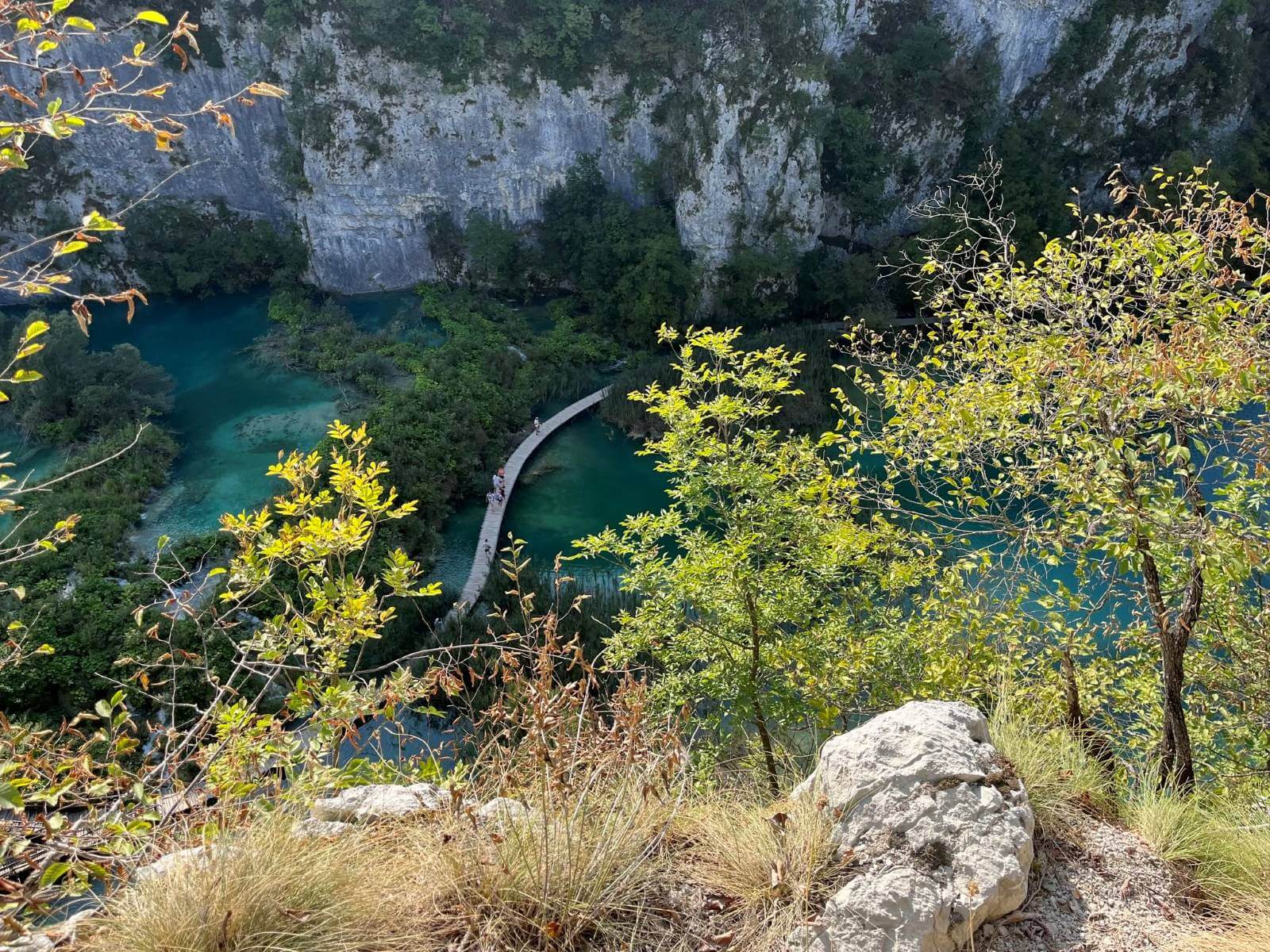
I know you might only want “extra-cultural” experiences, but little ones aren’t usually interested in that. If we chose to visit a castle or a fortress, we also dedicated a full day to an amusement park (Leolandia), a zoo, beach days, or mountain trails (kiddo is obsessed with those).
I would have loved to delve deeper into the history, but it was fine; we took care of her wishes, and then we handled the “mature” stuff. In Piacenza, where our friend lived, we wandered through the center and visited a car carousel, where we easily spent 100 Euros over three weeks. But I was aware the child needed something super fun, and those little cars completely captivated her.
Engage the Child, Even in Places That Don’t Interest Them
As I said, we didn’t focus exclusively on child-friendly attractions. The most interesting experience was at Rivalta Castle, where we spent over 2 hours with a guide who spoke only Italian. We saw countless rooms, each one interesting, but because we stayed several minutes in each room, there was a chance Nadia would get bored and ruin the experience for other visitors.
I picked her up when I felt she wanted to rest, and I explained what was interesting there in terms she could understand (even if we were just raving about the cool copper pots in the kitchen or the beautiful clothes soldiers wore 300 years ago).
Also, to ensure we didn’t disturb anyone, we moved to the opposite corner of the room from the other visitors; I would listen to the guide and then whisper the story to the child.
Because of this, my little one lasted 2 hours and left there delighted by how beautiful the castle was. This appreciation for beauty is something you educate early on; I’ve always explained to her why I find something beautiful, maybe it’s the unique colors, the craftsmanship of a building, or a field of colorful flowers.
I was surprised that by age 3, she started saying, “Look, Mom, how beautiful that castle/hill is.“
On our trip, we admired unique animals, a remarkable mountain trail, beautiful ruins, and castles full of visual treasures. If, despite your attention, the child still can’t enjoy what they see, give up on that attraction and come back alone. I was ready to leave the group and the castle immediately if Nadia had started to fuss, because it isn’t right to ruin the “Zen” of other visitors who paid for their entry.
Fortunately, that wasn’t the case. Our little tourist had a great time and left with many beautiful memories. These are just a few of the measures you can take to enjoy traveling, even with children in tow.
Give the Kid More Tasks as They Grow
As the years passed, the kid started helping with packing, making sure I stay the course of my lists, even do her own research to find new attractions she’d like to see.
We’re at a point when the kid (12) is almost like an adult, when traveling (I really appreciate her being able to carry more, so gone are the days I’d look like a camel in the desert with 2 backpacks and 2 trolley bags.
